
When it comes to jewellery, gold has long been a symbol of timeless beauty and luxury. Yet, not everyone realises that not all “gold” jewellery is made the same. There’s a big difference between solid gold and gold plated pieces — in value, durability, and care. Understanding these differences can help you make smarter choices when shopping for your next favourite accessory.
What is Gold Jewellery?
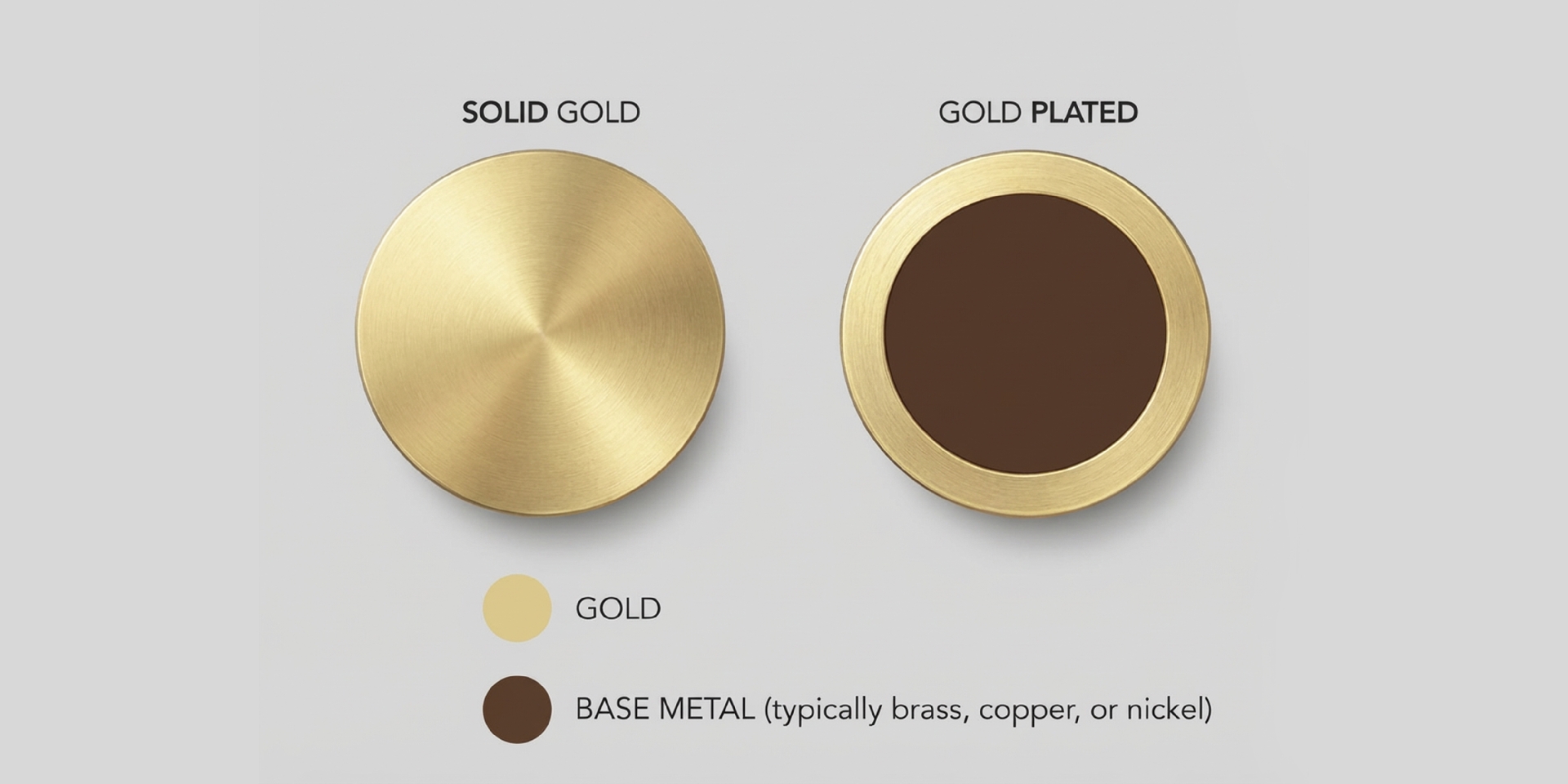
Solid gold jewellery is made entirely of gold, measured in karats that indicate purity — 24K being the purest form. It doesn’t tarnish easily and maintains its lustre for generations, making it ideal for investment and sentimental keepsakes.

What is Gold Plated Jewellery?
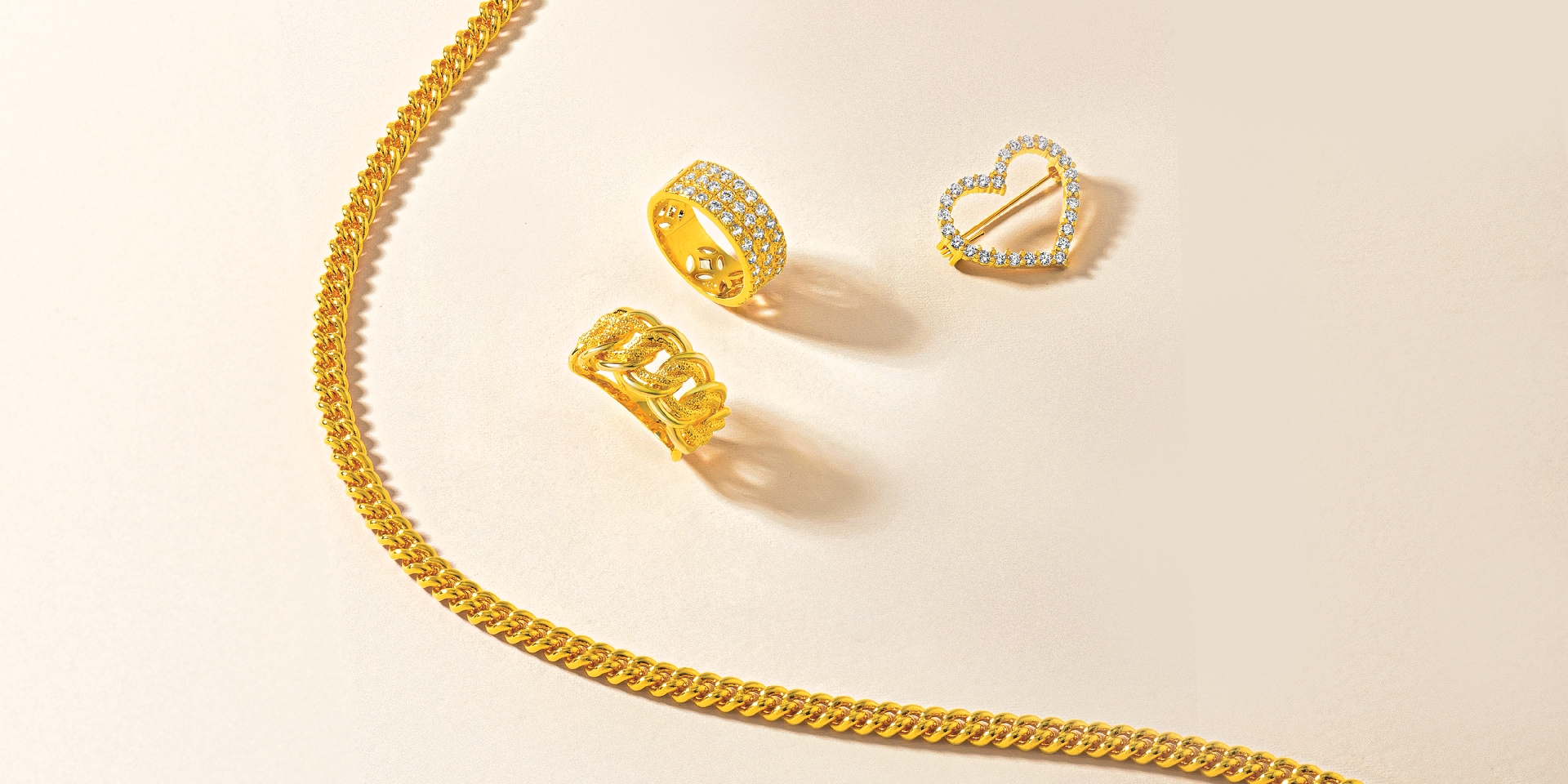
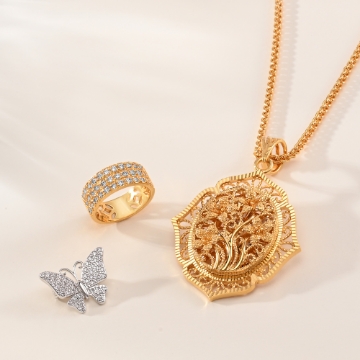
Gold plated jewellery features a thin layer of gold applied over a base metal such as silver, brass, or copper. It offers the same golden shine at a fraction of the price but may fade over time with regular wear. When cared for properly, gold-plated jewellery can last 2-3 years
How to Tell Apart Gold and Gold-Plated Jewellery?
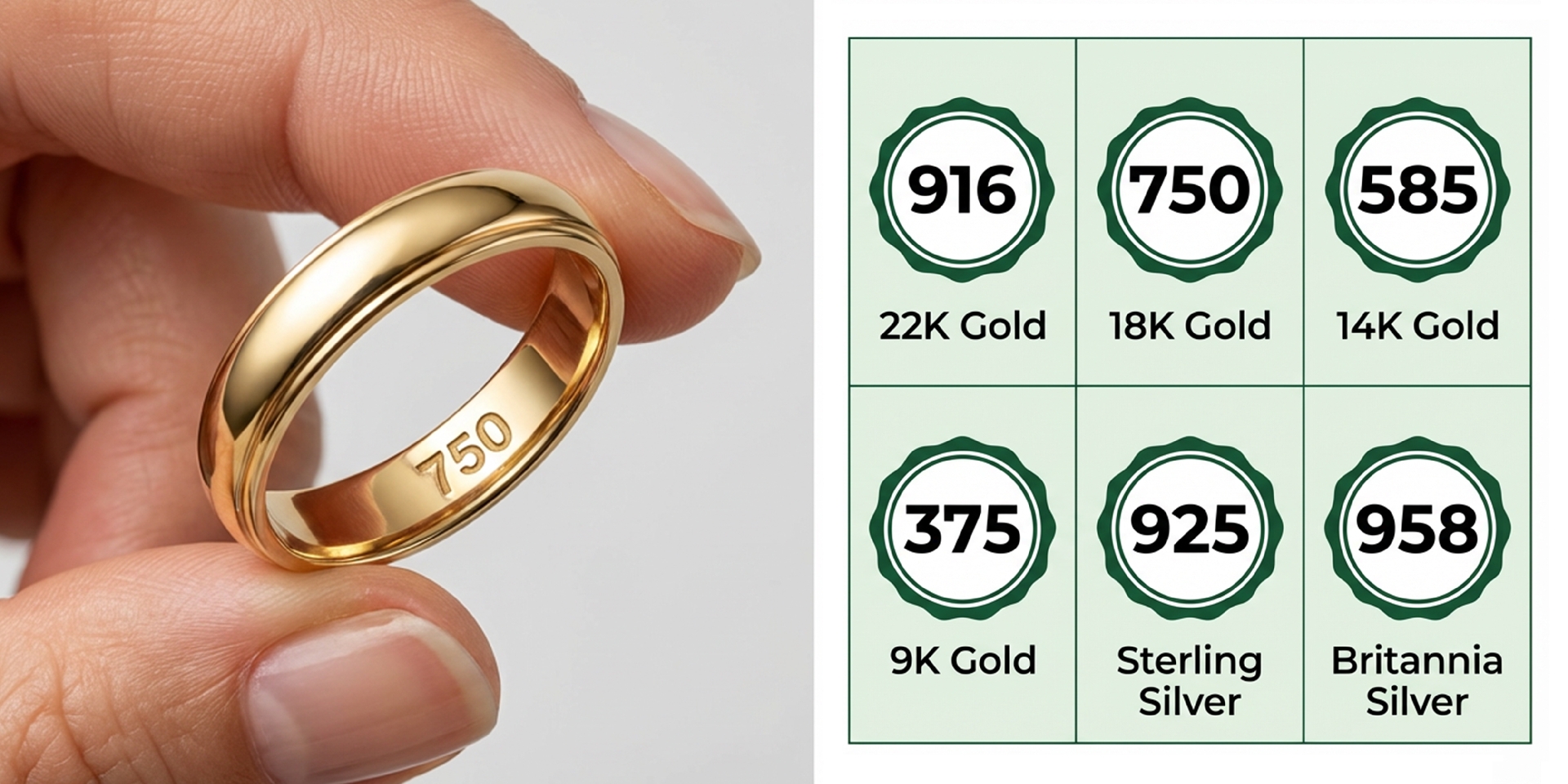
1. Identify the Markings
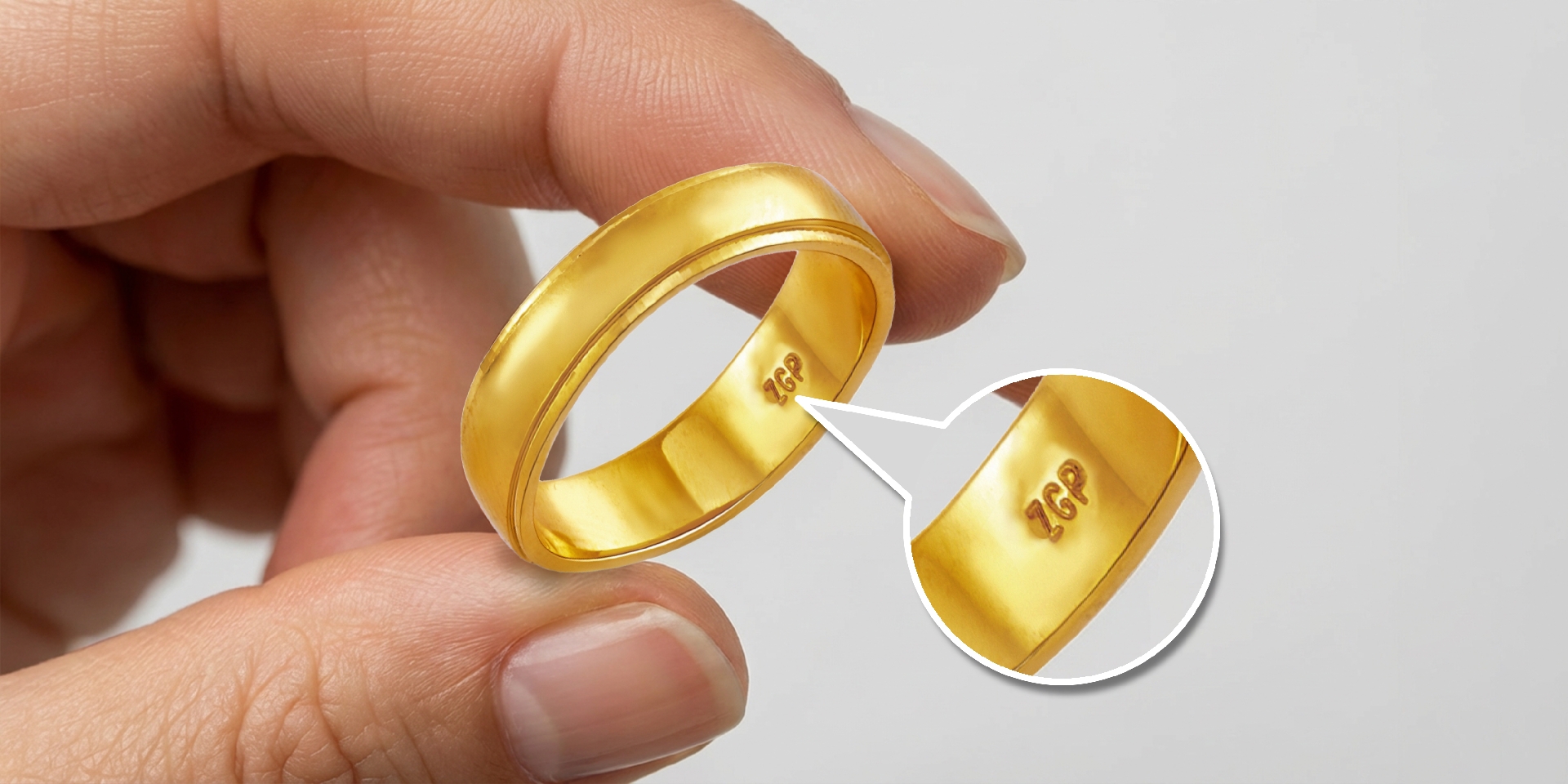
One of the easiest ways to differentiate gold from gold plated jewellery is to check for markings. Sold gold pieces tend to feature stamps indicating the gold purity, such as ‘18k’ or ‘22k’. On the other hand, gold plated jewellery often features marks like ‘GP’ (Gold Plated) or ‘GEP’ (Gold Electroplated). To ensure authenticity, ZHULIAN gold plated jewellery is stamped with the 'ZGP' mark — a symbol of genuine ZHULIAN craftsmanship and quality.
2. Weight Test
Pick up the jewellery or use a gram scale to test its weight. If the piece of jewellery feels lighter, it is likely gold-plated. This is because gold is a natural heavy metal, while gold plated pieces have lighter metals underneath.
3. Check for Scratches or Worn Areas
Examine the areas of your jewellery that experience the most contact, like rings and bracelets. While solid gold naturally retains its hue, while gold plated jewellery has a surface layer of gold over another metal. ZHULIAN’s gold plated jewellery is crafted with high quality plating to ensure lasting brilliance, even in frequently worn areas. With proper care, ZHULIAN’s gold-plated pieces maintain their radiant finish and continue to look elegant for everyday wear and special occasions.
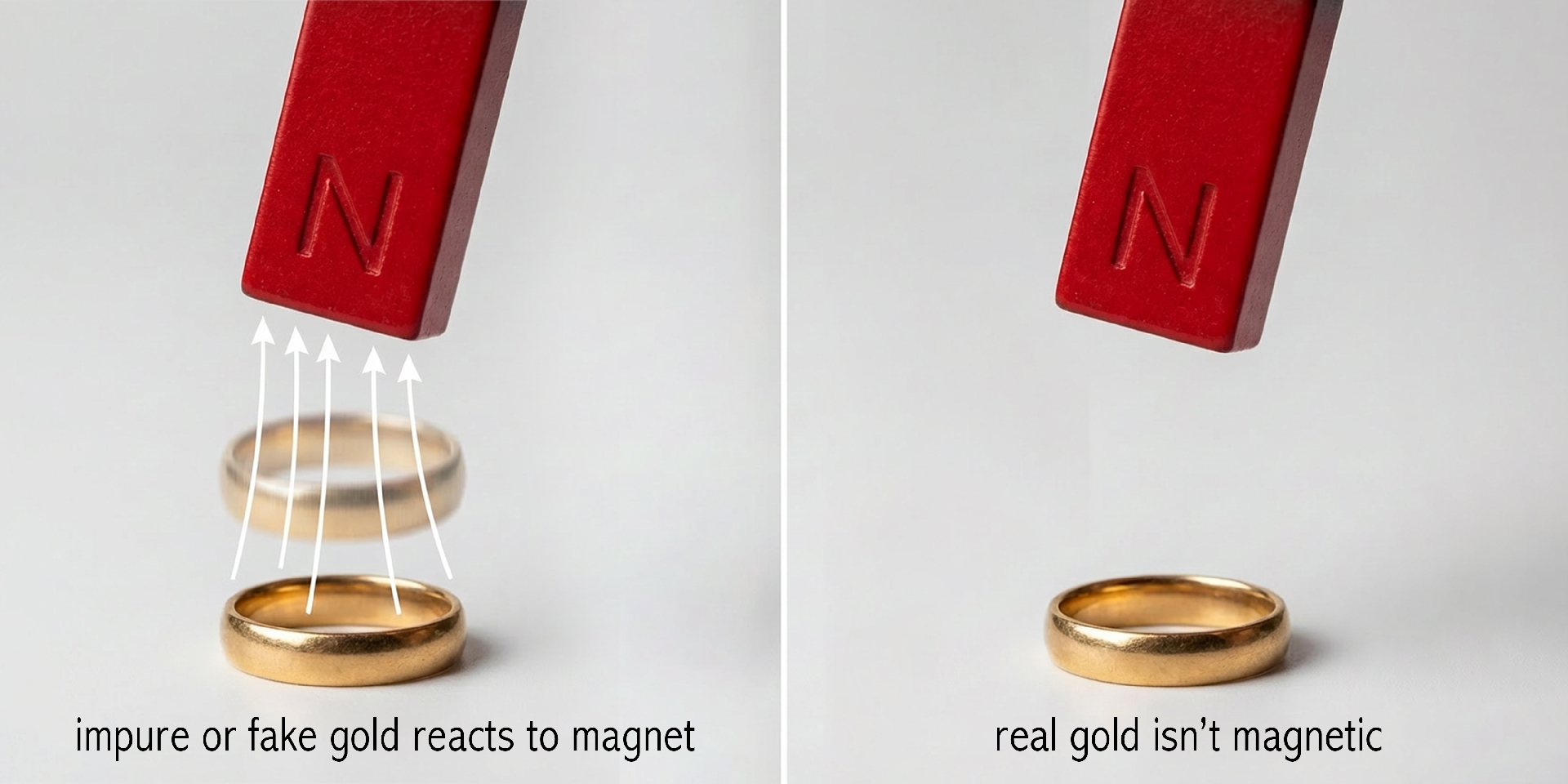
4. Magnet Test
Another way to test gold plated jewellery is by using a strong magnet. If your jewellery is attracted to the magnet, it is likely gold plated with a magnetic base metal (such as steel or nickel). Genuine gold jewellery would not stick to magnets at all.
5. Check for Discolouration
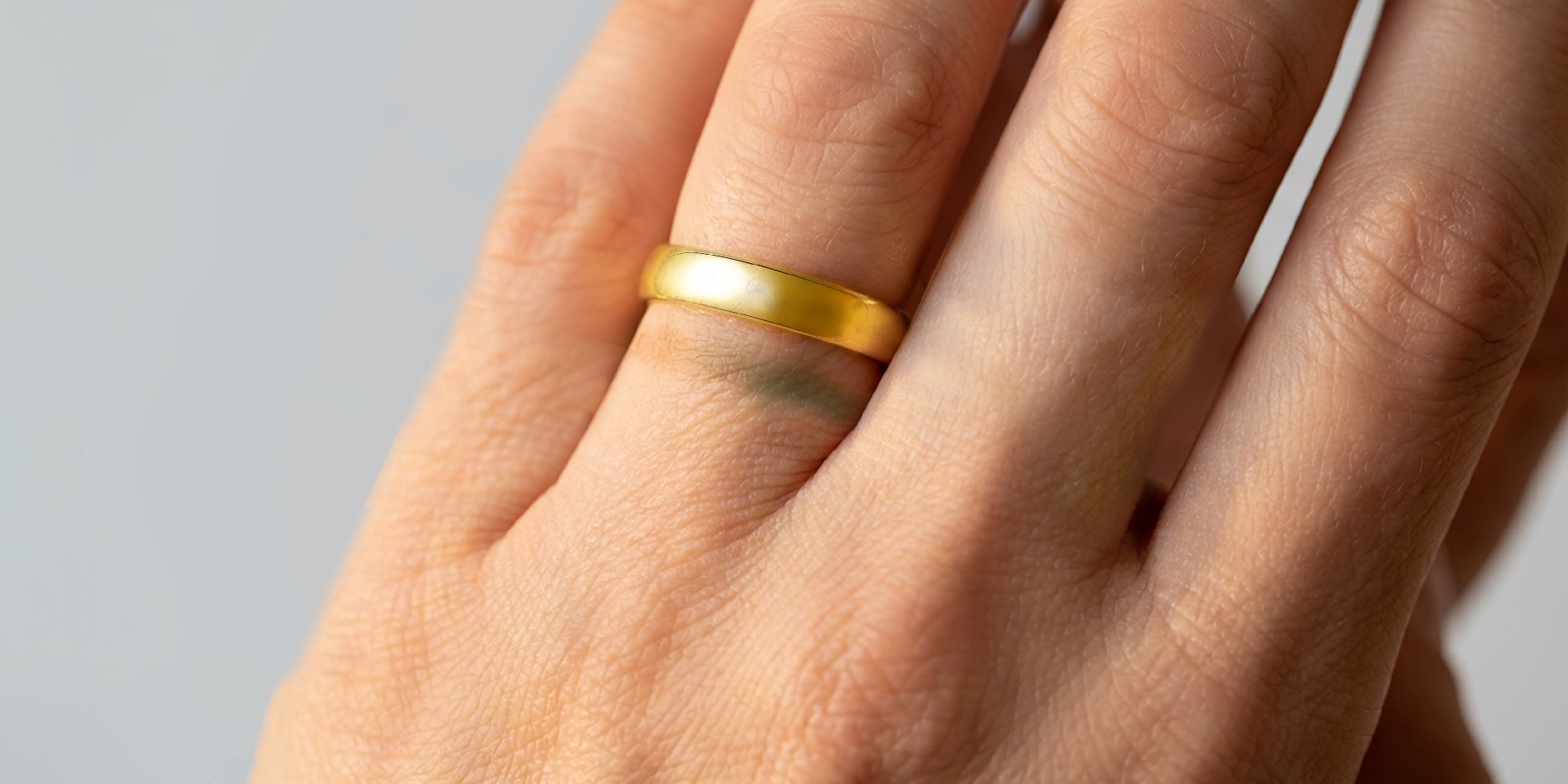
Check for any visible changes in colour over time. Solid gold typically maintains its natural brilliance even with extended wear. Gold plated jewellery while beautifully finished, may gradually show subtle changes in surface tone depending on lifestyle habits and care. Proper cleaning and storage can help maintain its radiant appearance. Factors such as exposure to moisture, chemicals and friction may affect surface appearance over time, which is why mindful wear and maintenance are recommended.
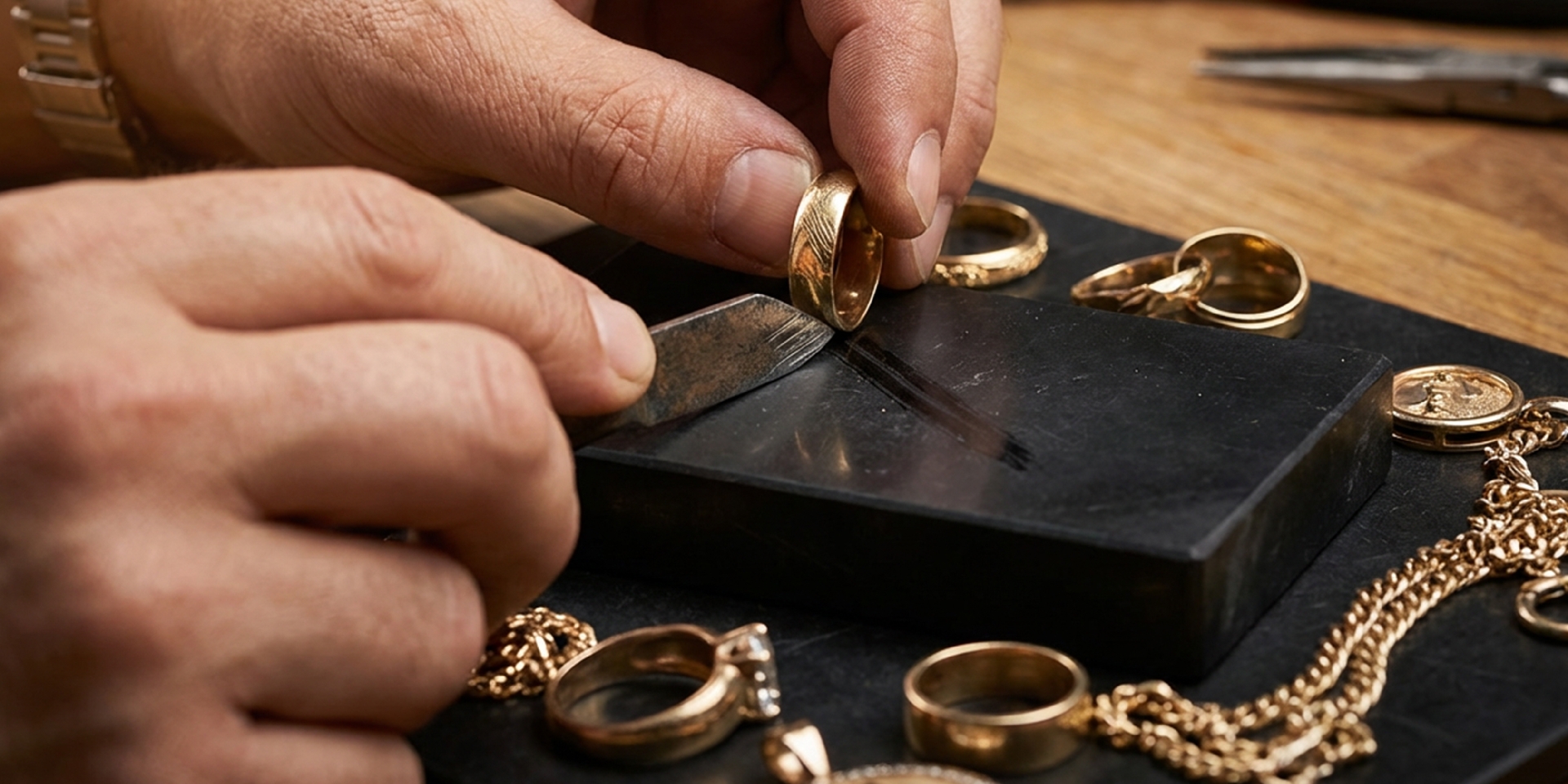
6. Scratch Test
Use an unglazed ceramic dish and gently scrape your jewellery on the plate. Be gentle while scraping the jewellery to avoid damaging the pieces. Genuine gold will leave behind a gold-coloured mark, while gold plated jewellery faint darker mark due to its surface finish. This test helps you understand the differences without affecting the beauty of your jewellery.
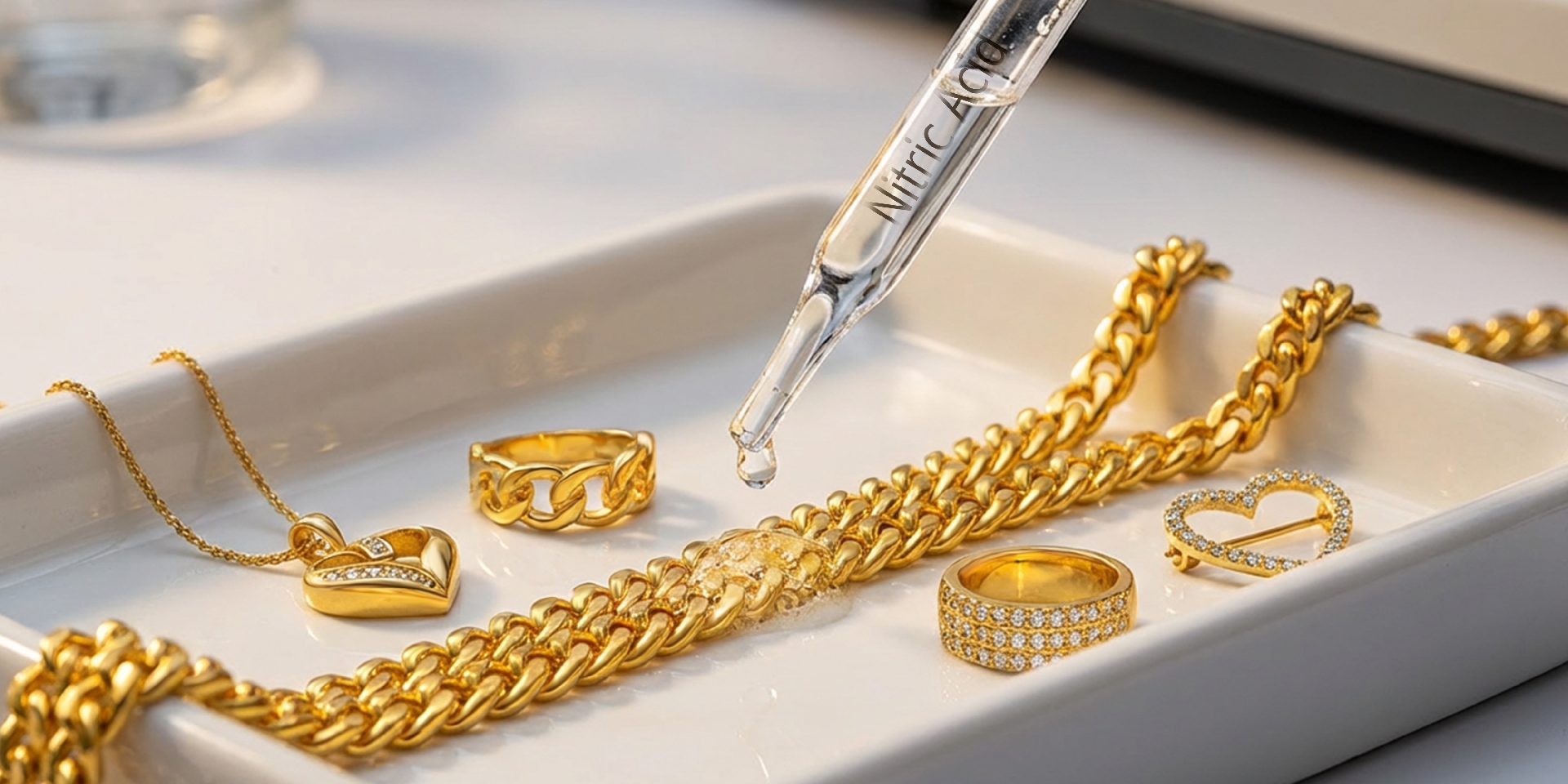
7. Nitric Acid Test
One traditional method to test the metal content of jewellery is using a stainless steel plate with a chemical test, though we recommend leaving this to professionals. Pure gold retains its colour even after testing, while gold plated jewellery has a surface layer of gold over another metal, which may react differently under testing. Silver pieces with gold plating may show subtle changes due to the underlying metal. Regardless of the test, well-crafted gold-plated jewellery from ZHULIAN is designed to shine beautifully with proper care, making it a versatile and stylish choice.
WARNING: To protect your eyes and hands, wear a pair of protective gloves and goggles before conducting this experiment.
At the end of the day, it’s not just about what shines on the outside, but what truly fits your lifestyle. Solid gold offers timeless investment value, while gold-plated jewellery allows you to embrace elegance, versatility and modern trends with confidence, without breaking the bank.
At ZHULIAN, our gold plated jewellery is crafted with precision finishing and quality gold plating to deliver refined brilliance and lasting appeal — designed for everyday sophistication and meaningful occasions alike. More than just beautiful pieces, each design reflects our commitment to accessible luxury and empowering communities through trusted craftsmanship.
Explore ZHULIAN’s latest gold plated collections today and experience jewellery that shines with purpose, value and tells your story.